

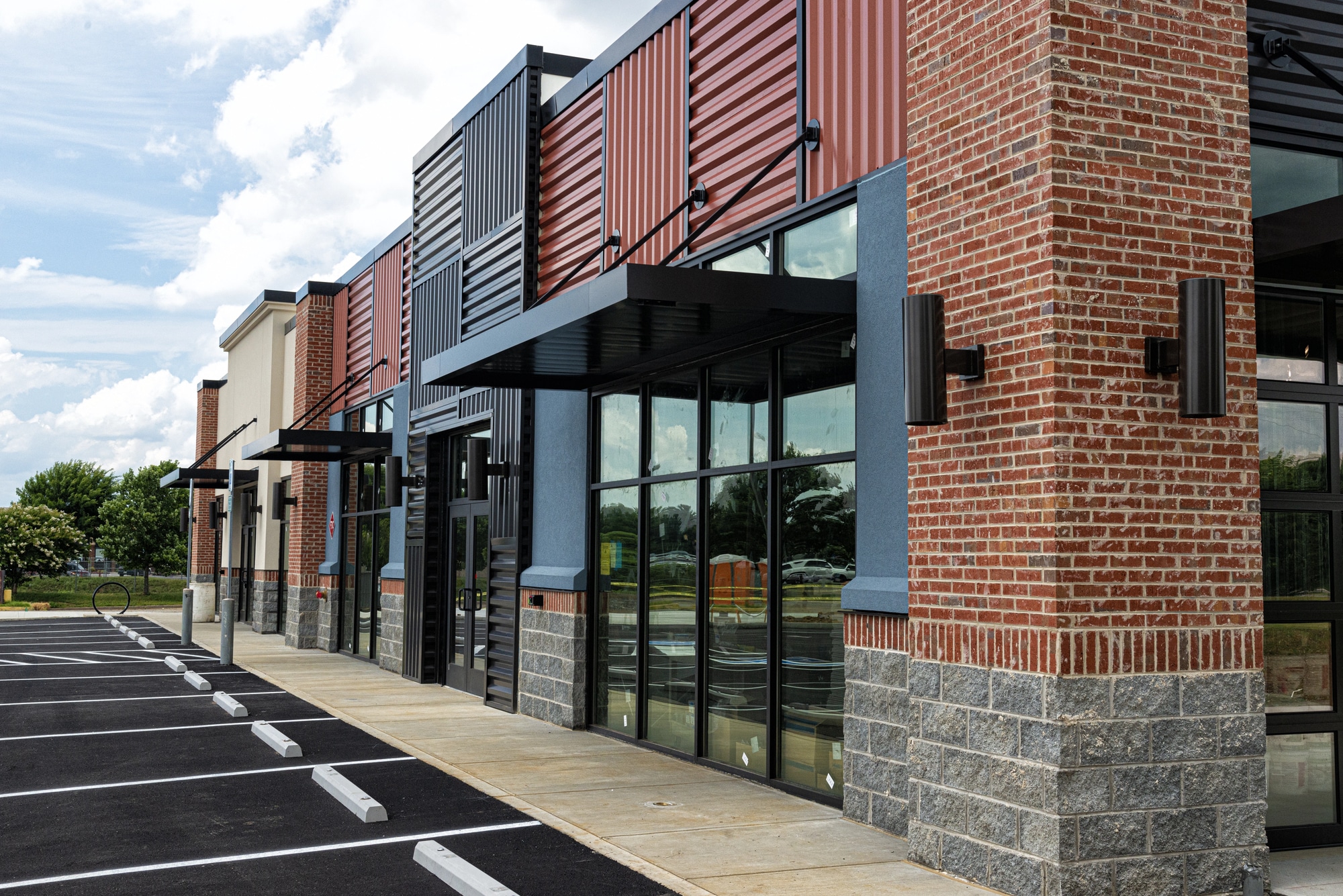
Commercial construction financing enables developers to fund large-scale projects through structured loans, equity investments, and phased disbursements tied to project milestones. It involves careful planning, risk assessment, and coordination between lenders, investors, and project managers to ensure timely completion and financial viability.
Are rising costs and complex funding requirements making your next development project harder to launch? Today, we’re taking a closer look at how financing structures, industry shifts, and expert strategies shape successful commercial builds.
What Is Commercial Construction Financing?
Commercial construction financing provides the funding needed to build or renovate income-producing properties such as offices, retail centers, and industrial spaces.
Several key ideas define how commercial construction financing works:
- Types of financing options
- Role of key stakeholders
- Differences from residential financing
Types of Financing Options
Construction financing often comes in the form of short-term loans that convert into long-term mortgages once the project is complete. Lenders release funds in stages, known as draws, based on progress. Bridge loans may help cover gaps between phases, while permanent financing provides stability after completion.
Role of Key Stakeholders
Projects involve developers, lenders, investors, and contractors. Each group plays a part in funding, managing, and completing the build. Strong coordination helps reduce delays and keeps budgets on track.
Differences From Residential Financing
Commercial financing carries higher risks and larger loan amounts than residential loans. Lenders look closely at project viability, expected income, and market demand. These factors shape approval decisions and loan terms.
Key Components of Commercial Construction Financing
Strong financing structures rely on several moving parts that must work together from the start. Each element affects how funds are released, how risk is handled, and how the project stays on track.
The main components include:
- Loan structure details
- Equity and debt balance
- Risk evaluation methods
Loan Structure Details
Lenders set terms that control how and when funds are distributed. Most construction financing uses a draw schedule, which releases money in phases as work progresses.
Interest is often charged only on the amount used, not the full loan. That setup helps manage cash flow during the early stages when expenses are high, and revenue has not started.
Equity and Debt Balance
Developers usually combine their own capital with borrowed funds. Equity shows commitment and reduces lender risk. Debt fills the funding gap and allows projects to move forward without tying up all available capital.
Risk Evaluation Methods
Lenders review project plans, budgets, and market data before approval. They look at location, demand, and expected income. These construction industry insights help determine loan terms and protect against financial loss.
Latest Construction Trends Shaping Financing Decisions
Shifts in the market continue to influence how projects are funded and managed. Lenders and developers both adjust their strategies based on changing conditions and new demands.
Several trends are shaping financing decisions today:
- Sustainable building practices
- Technology integration in projects
- Supply chain and cost pressures
Sustainable Building Practices
Green construction has gained more attention in recent years. Many projects now include energy-efficient systems and environmentally friendly materials.
Lenders often view these features as long-term value drivers. Some financing options even offer better terms for projects that meet sustainability standards.
Technology Integration in Projects
Digital tools have changed how teams plan and execute builds. Software like Building Information Modeling helps improve accuracy and reduce waste. These tools give lenders more confidence in project timelines and budgets, which can influence approval decisions.
Supply Chain and Cost Pressures
Material costs and labor shortages continue to affect budgets. Delays in supply chains can slow progress and increase expenses. Strong planning and updated construction industry insights help teams respond quickly and keep projects moving forward.
Risk Management and Financial Planning Strategies
Managing risk plays a major role in keeping construction projects on track and within budget. Financial planning helps teams prepare for setbacks before they become serious problems.
Several strategies help reduce risk and support better outcomes:
- Budget forecasting and contingency planning
- Cost control and overrun management
- Timeline and market risk awareness
Budget Forecasting
Accurate budgeting starts with detailed cost estimates. Teams often set aside contingency funds to cover unexpected expenses.
These reserves provide a buffer when material prices rise or delays occur. Strong project success tips often include regular budget reviews to catch issues early.
Cost Control
Keeping costs in check requires close monitoring throughout the project. Managers track spending against the original budget and adjust when needed.
Small issues can grow fast if they are ignored. Active building project management helps limit financial strain and keeps work moving forward.
Timeline and Market Risk Awareness
Delays can affect both costs and loan terms. Weather, labor shortages, and permit issues can slow progress.
Market demand can shift during long projects. Staying informed through construction industry insights allows teams to respond and adjust plans.
Frequently Asked Questions
What Are The Main Types Of Commercial Construction Loans?
Commercial projects can be funded through several loan types beyond standard construction loans. Mezzanine financing fills gaps between debt and equity and often carries higher interest rates.
SBA 504 and 7(a) loans support certain owner-occupied projects. Some developers use joint venture financing, where investors share both risk and profit.
How Do Interest Rates Impact Construction Financing Decisions?
Interest rates affect both short-term costs and long-term returns. Variable rates can change during the build, which may increase payments over time.
Fixed rates offer more predictability but may start higher. Many developers track market conditions closely and time their financing to reduce exposure to rising rates.
What Financial Documents Do Lenders Typically Require?
Lenders usually request detailed financial records before approving funding. These may include project budgets, pro forma income statements, credit reports, and feasibility studies. Clear and organized documentation can speed up the approval process and show that the project is well planned.
Commercial Construction Advice
Commercial projects depend on clear planning, steady oversight, and informed decisions at every stage. Construction financing supports each step, from early budgeting to final delivery.
Since 1957, Plains State Bank has proudly served Texas as a locally owned community bank focused on helping individuals and businesses grow. We combine friendly, personalized service with modern technology to deliver full-service banking that evolves with your needs. As we expand beyond Yoakum County, we remain committed to strengthening the communities we serve.
Get in touch today to find out how we can help with your CRE financing.